Childhood Roots: Classical Music and Jazz
I was born in Budapest in 1983. From an early age, two passions shaped my interests: images and sound. Weekends spent at my grandmother’s house were filled with classical music and jazz, moments that laid the foundation of my musical taste.
Electronic Music Experiments and Turning to Photography
As a teenager, I was completely captivated by electronic music. On my first computer I produced house, techno, and drum and bass tracks—sometimes alone, sometimes with friends. Toward the end of high school, I started going to parties and joined the team of Pulzár, a local radio show dedicated to electronic music.
That’s where I began taking photos for the show’s website, which soon became one of the most visited party photo pages in Hungary. From then on, photography took center stage: as a freelancer I shot advertising, portraits, and events for corporate clients.
Discovering Japanese Music
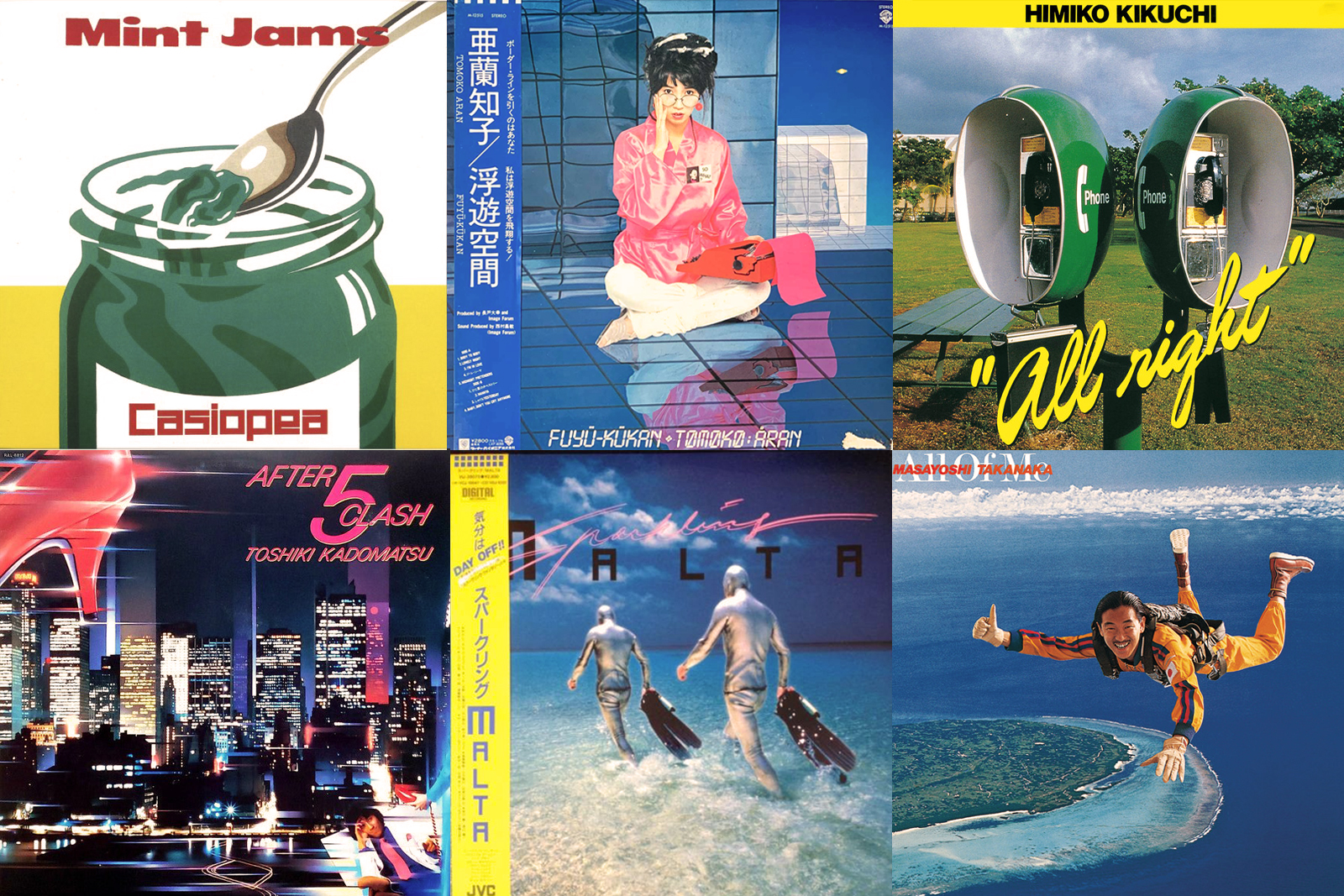
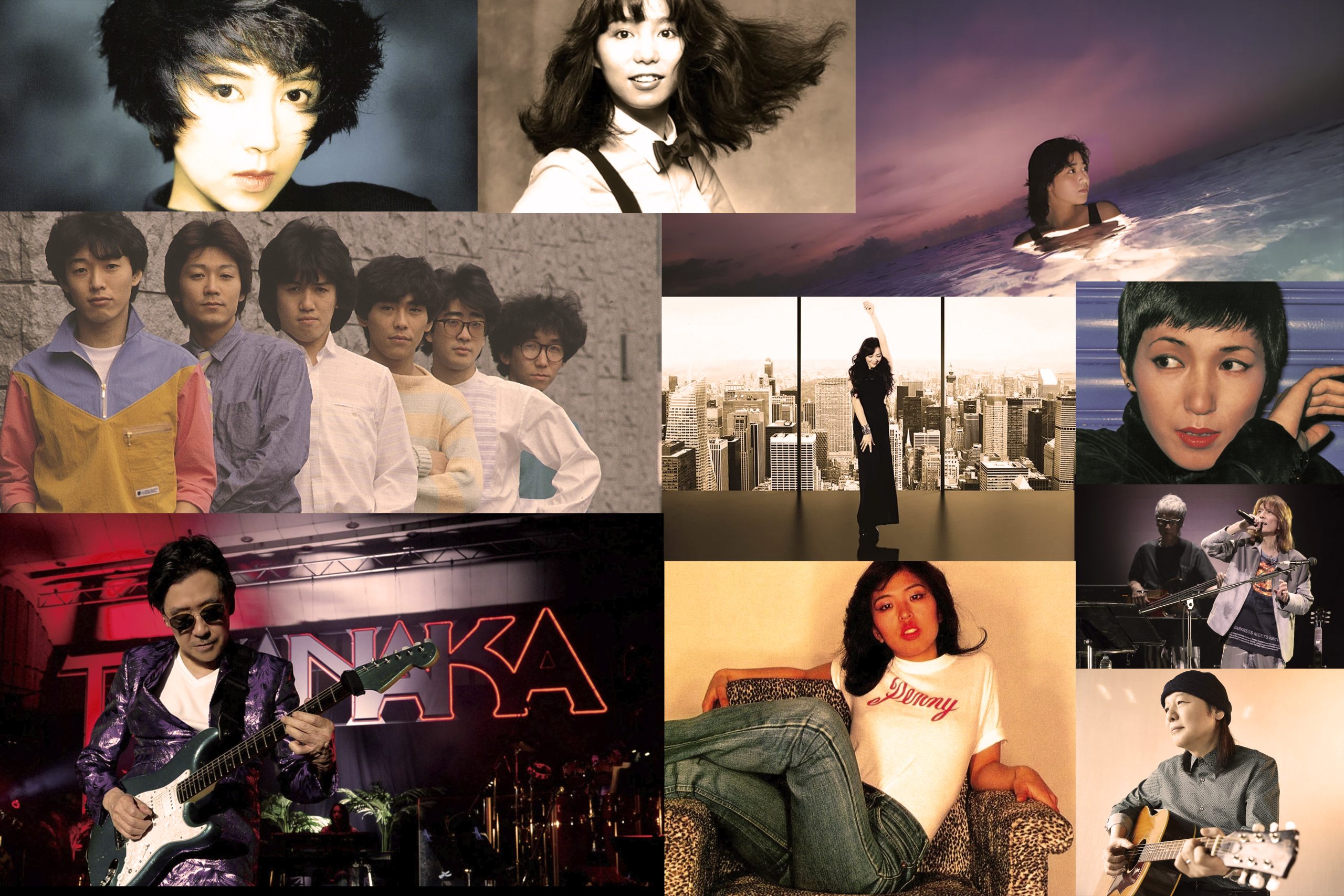
Even though I stepped back from producing music, I never completely gave it up. In the 2010s I came across the footwork and juke scenes—their explosive energy and fresh ideas inspired me. While searching for samples, I discovered Japanese music from the 1970s and 80s, often through anime, films, and TV shows.
At first, I chopped and remixed these tracks, but soon I found myself enjoying them in their original form—whether in the car or at home. City pop and jazz fusion gradually became an everyday part of my life.
The Beginning of Vinyl Collecting
After buying my first turntable, it felt natural to start collecting albums from my favorite Japanese artists. The real turning point came with a trip to Tokyo, where I returned home with a suitcase full of city pop and jazz fusion vinyl. Since then, I’ve been continuously hunting for hidden gems—digging in record stores, bidding on online auctions, and browsing Discogs.
Today my collection includes hundreds of Japanese records, and almost every week I discover a new album that completely enchants me.
Falling in Love with DJing: Mixes and Performances
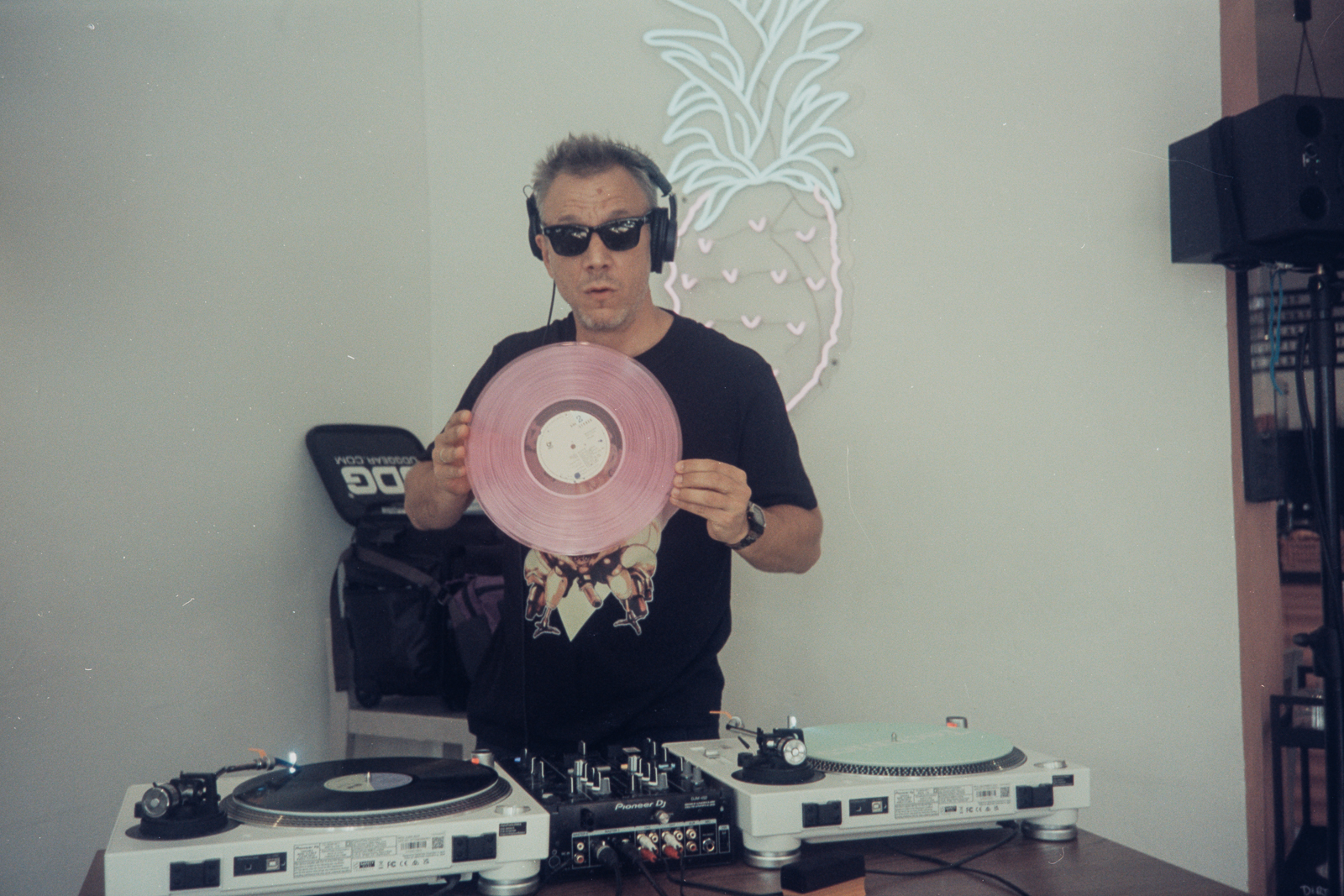
Eventually I bought a second turntable and a mixer, which allowed me to create mixes for YouTube. Thanks to that, I started receiving more opportunities to perform. I’ve already played in:
- Asian restaurants
- coworking spaces on open days
- rooftop bars
- cafés
- summer outdoor venues
- podcast studios
- and even on Tilos Radio.
The invitations keep coming, and it’s a true joy for me to create a pleasant atmosphere while sharing these special sounds with new audiences.
Why I Love Japanese Music from the 70s and 80s
My fascination with this era isn’t about nostalgia or generational ties. It comes from the way Japanese society’s pursuit of perfection manifested in the hands of talented, tasteful musicians who created true works of art.
These songs weren’t mass-produced for quick profit—they’re timeless, high-quality pieces that remain inspiring today. They also carry the spirit of a calmer, happier era, making their sound soothing and a perfect escape from everyday stress.
What amazes me most is how much of the pop music of that time was shaped by jazz musicians, blending popular appeal with top-level instrumental mastery. This fusion is what makes city pop, jazz fusion, and other Japanese styles of the era so enduring and unique.